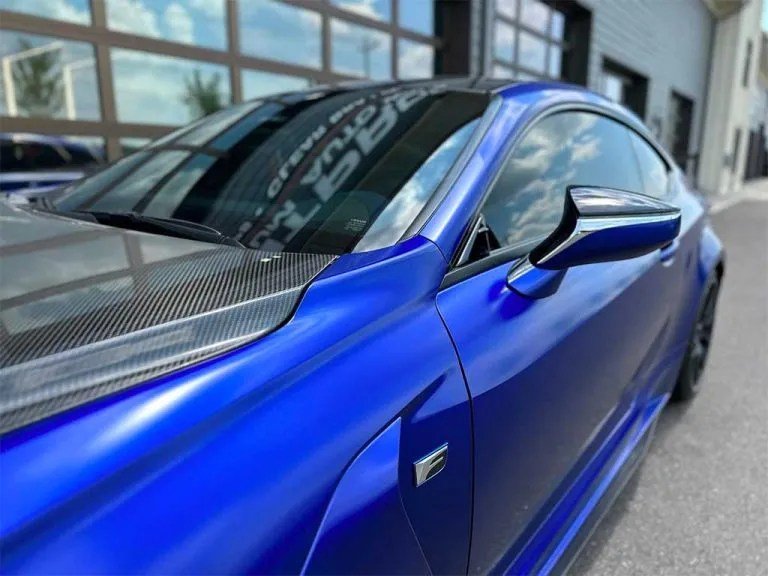
Imagine a future where your car maintains that "just-detailed" look for years, shrugging off dirt, resisting minor scratches, and boasting a shine so deep it looks wet. This isn't a fantasy for the super-rich; it's one of the primary Benefits of Ceramic Coatings (The Pros & Advantages), a sophisticated automotive enhancement transforming how we protect and present our vehicles. For any car owner who values their vehicle's appearance and longevity, understanding ceramic coatings is no longer just a luxury—it's essential knowledge.
Far more than a fancy wax, a ceramic coating is a liquid polymer applied by hand to your vehicle's exterior. Once cured, it chemically bonds with the factory paint, creating a hard, transparent layer that acts as a second skin. This isn't a temporary fix; it's a durable, long-lasting shield designed to stand up to the elements and keep your car looking its best, year after year.
At a Glance: Why Ceramic Coatings Are a Game-Changer
- Superior, Long-Term Protection: Guards against UV rays, oxidation, chemical stains, and minor abrasions.
- Effortless Maintenance: Hydrophobic properties repel water and dirt, making washing quicker and less frequent.
- Unrivaled Gloss & Depth: Locks in a brilliant, mirror-like shine for years, enhancing your car's aesthetic appeal.
- Significant Time Savings: Replaces dozens of wax applications, freeing up hours of maintenance time annually.
- Boosts Resale Value: Preserves the paint's original condition, contributing to a higher appraisal when it's time to sell.
What Exactly is Ceramic Coating? Your Car's Invisible Shield
Think of your car's paint as its skin. Over time, this skin is exposed to harsh UV radiation, corrosive bird droppings, gritty road salt, industrial fallout, and countless environmental contaminants. Without adequate protection, these elements can degrade the clear coat, leading to fading, oxidation, swirl marks, and etching.
A ceramic coating steps in as a resilient, sacrificial layer. It's essentially a high-tech liquid polymer, often containing silica (SiO2), that forms an incredibly tough, microscopic layer of glass directly bonded to your paint. Unlike traditional waxes or sealants, which sit on the paint and degrade quickly, a ceramic coating integrates with the paint. This creates a semi-permanent, transparent barrier that is significantly harder, more durable, and more chemically resistant than your factory clear coat.
The result? A surface that actively resists environmental damage, maintains its integrity for years, and possesses an intensely hydrophobic nature that dramatically changes how your car interacts with water and dirt.
The Core Advantages: Why Ceramic Coatings Shine
Investing in a ceramic coating isn't just about superficial beauty; it's about smart protection and long-term value. Let's delve into the specific advantages that make this technology a standout in automotive care.
Enhanced, Long-Term Protection
Your vehicle faces a gauntlet of threats daily. From the relentless assault of the sun's UV rays that can fade paint, to acidic bird droppings, bug guts, tree sap, and corrosive road salts, the clear coat is under constant attack. A ceramic coating provides a robust defense system.
It forms a rigid, microscopic layer of glass that serves as a formidable barrier. This layer effectively shields your paint from harmful UV radiation, preventing oxidation and color fade. It creates a chemically resistant surface that helps repel stains and etching from harsh contaminants. While not impenetrable, this hardened layer also offers increased resistance to light surface scratches, such as those caused by improper washing techniques or minor brushes with clothing. This means fewer visible swirl marks and minor imperfections accumulating over time.
A Shield That Lasts for Years
One of the most compelling benefits of ceramic coatings is their incredible longevity. Unlike waxes or synthetic sealants that typically last weeks or months, a professional-grade ceramic coating can provide protection for two to five years, and sometimes even longer with proper maintenance.
Consider the time commitment of traditional waxing. If you wax your car quarterly, that's four full detailing sessions a year. Over a five-year period, that's 20 separate waxing jobs. A ceramic coating can effectively replace 30 or more traditional wax applications over that same timeframe, translating to significant savings in effort. We're talking about potentially saving 12-18 hours of hands-on maintenance work annually, freeing you up to enjoy your car rather than constantly caring for its finish. This extended lifespan provides consistent protection without the frequent reapplication hassle, making it a truly "set it and forget it" solution for years.
Maintenance Made Easy: Less Washing, More Driving
Perhaps the most immediately noticeable benefit for daily drivers is the dramatic reduction in maintenance effort. Ceramic coatings are intensely hydrophobic, meaning they powerfully repel water. When water hits a coated surface, it beads up tightly and rolls off, carrying dirt and grime with it. This "self-cleaning" effect (though not truly self-cleaning, more on that later) means your car stays cleaner for longer.
Dust, dirt, and road grime have a much harder time adhering to the slick, smooth surface. When it does get dirty, washing becomes dramatically easier and faster. Contaminants simply glide off with minimal scrubbing, requiring less elbow grease and often less soap. Drying is also quicker, as water beads are easily sheeting off. This translates into less time spent cleaning and more time enjoying that pristine finish. To maximize this, understanding maintaining your ceramic-coated vehicle is key.
Unparalleled Gloss and Depth: The Showroom Look, Locked In
Beyond the practical protection, ceramic coatings deliver an aesthetic transformation that enthusiasts adore. When applied correctly over a properly prepared and polished surface, a ceramic coating adds an incredible depth of gloss and a rich, "candy-coated" finish. It enhances the reflectivity of your paint, creating a "wet," mirror-like shine that truly stands out.
This isn't just a temporary sheen; the coating locks in this enhanced appearance for years, protecting it from the elements that would otherwise dull and degrade the finish. Imagine having that fresh-from-the-dealership luster, day after day, year after year. For car owners who take pride in their vehicle's appearance, this unparalleled shine is a major draw, making the car look perpetually show-ready.
Beyond the Hype: Understanding the Realities and Limitations
While the benefits are clear, it's crucial to approach ceramic coatings with realistic expectations. They are not a magic bullet, and understanding their limitations is just as important as knowing their advantages.
It's an Investment: The Cost Factor
The most significant barrier for many car owners is the upfront cost. Professional ceramic coating application is a substantial investment, ranging anywhere from "up to a thousand dollars" for a basic application to $1,500 - $3,000+ for larger vehicles, extensive paint correction, and premium multi-layer coatings. This cost reflects not just the product itself, but the meticulous labor involved in surface preparation.
This isn't a job for the faint of heart or the impatient. The process often involves a multi-stage wash, decontamination, and extensive paint correction before coating application to remove swirls, scratches, and imperfections. Any flaws left on the paint will be locked in by the coating, making them even more visible.
Application Isn't a Quick Fix
The application process itself is incredibly time-consuming. After rigorous paint preparation, the coating must be applied in controlled environments, often in multiple thin layers, with each layer requiring specific cure times. The entire process, from initial wash to final cure, can take anywhere from a few days to a full week, depending on the vehicle's condition, the type of coating, and the number of layers applied. This isn't a weekend afternoon project if you're aiming for professional results.
DIY? Proceed with Caution
While there are many DIY ceramic coating kits available on the market, achieving professional-level results at home is challenging for the average car owner. The precision required for even application, avoiding streaking, high spots, or an uneven, patchy appearance, demands significant skill, patience, and a pristine working environment. Without proper technique, you could end up with a finish that looks worse than before, or one that offers subpar protection. For most, professional installation is the recommended path.
Not a Suit of Armor: Limited Protection Against Major Damage
Here's a critical distinction: a ceramic coating is not a "suit of armor." While it enhances resistance to light surface scratches and marring, it will not prevent major damage. A stone flying at 70 mph will still chip your paint. Deep scratches, dents, or collisions are beyond its protective capabilities.
For true impact protection against rock chips, deep scratches, and abrasions, a different solution is needed: Paint Protection Film (PPF). If you're looking for that level of robust physical shielding, you'll need to explore ceramic coating vs. paint protection film (PPF). Many enthusiasts opt for both: PPF on high-impact areas like the front bumper, hood, and fenders, with ceramic coating over the rest of the vehicle (and even on top of the PPF for enhanced gloss and easier cleaning).
The Myth of "Self-Cleaning" and Water Spots
The "self-cleaning" effect of ceramic coatings is often exaggerated. While the hydrophobic properties do make dirt and grime much less likely to stick and far easier to rinse off, your car will still get dirty. Dust, pollen, and road film will accumulate. You will still need to wash your vehicle regularly; the coating just makes those washes significantly less effort and more effective.
Furthermore, despite their water-repelling abilities, ceramic coatings are not immune to water spots. If hard water (which is rich in minerals) is left to evaporate on the surface, those minerals will remain and can etch into the coating, leaving visible spots. Proper drying after washing, especially in hot weather or areas with hard water, remains essential.
Beware of Overstated Claims and Improper Care
The ceramic coating market is booming, and unfortunately, this means there are products with variable durability claims. Some lesser-quality coatings or those applied incorrectly may overstate their longevity and performance. Consumers need to be discerning.
Moreover, even the best ceramic coatings can be damaged by improper maintenance. Using harsh, abrasive chemicals, automatic car washes with stiff brushes, or aggressive washing techniques can degrade the coating prematurely. Following the installer's recommended maintenance guidelines, including pH-neutral soaps and proper washing methods, is crucial to maximize the coating's lifespan and benefits.
So, Is a Ceramic Coating Worth the Investment for Your Car?
The decision to apply a ceramic coating ultimately boils down to a balance of your budget, your commitment to car care, and your personal expectations. It's a significant investment, but one that offers considerable returns for the right individual.
Who Benefits Most?
- Car Enthusiasts: If you meticulously care for your vehicle and demand the absolute best gloss and protection, a ceramic coating is a natural fit. It preserves that "show car" look with less effort.
- Daily Drivers Who Value Appearance & Resale: For those who drive their car frequently and want it to look great with minimal fuss, the time savings and enhanced protection are invaluable. It helps protect your investment and can significantly aid in maintaining higher resale value by preserving the paint's original condition.
- Owners of New or High-Value Vehicles: Applying a coating to a brand-new car locks in its pristine condition from day one. For luxury or classic vehicles, it's a critical measure to protect a significant asset.
Considering Your Budget and Lifestyle
If you're on a tight budget or prioritize practicality over aesthetic perfection, alternatives like high-quality paint sealants or waxes can still offer reasonable protection for a fraction of the cost, though with far shorter lifespans.
For lease holders, the decision can be nuanced. A full 5-7 year ceramic coating might be overkill, as you'll return the car before maximizing its benefits. However, a more affordable 1-2 year coating could be a smart move to make washing easier and ensure the car remains in excellent condition for return, potentially avoiding lease-end damage charges.
The Long-Term Value Equation
While the initial cost is high, consider the long-term value. The hours saved on washing and waxing, the reduced need for professional detailing to correct paint damage, and the preserved aesthetic appeal can add up. It's an investment in your vehicle's future, designed to save you time and preserve its beauty for years to come.
Making the Smart Choice: Key Actionable Steps
Deciding to get a ceramic coating is a big step, and making an informed decision requires careful consideration.
- Manage Expectations: Understand that ceramic coatings provide significant protection but are not impenetrable. They won't stop rock chips or deep scratches, nor do they eliminate the need for washing. They simply make your car more resistant to environmental damage and far easier to clean.
- Prioritize Paint Preparation: The quality of the ceramic coating's finish and longevity is directly tied to the paint's condition before application. A thorough paint correction before coating application is non-negotiable to achieve the best results. Don't skimp on this step.
- Choose Your Pro Wisely: This isn't a service where you want to choose the cheapest option. Research and select a reputable installer who works with top-tier brands and has a proven track record. Ask for examples of their work, read reviews, and understand their process. A skilled detailer will be transparent about costs, timelines, and maintenance. If you're unsure where to start, looking into finding a reputable installer is your first step.
- Commit to Proper Aftercare: To maximize the benefits and lifespan of your ceramic coating, you must follow the maintenance instructions provided by your installer. This typically involves using pH-neutral soaps, proper washing techniques, and avoiding harsh chemicals or automatic car washes with brushes. Think of it as protecting your protector.
Final Thoughts: An Investment in Your Vehicle's Future
A ceramic coating is more than just a paint sealant; it's a long-term protective measure that offers a blend of practical advantages and aesthetic enhancements. It guards your vehicle against the rigors of the road and the environment, simplifies maintenance, and keeps that showroom shine locked in for years. For those who see their car as more than just transportation—as an investment, a passion, or a source of pride—the benefits of ceramic coatings offer a compelling proposition, transforming routine car care into an enduring peace of mind.