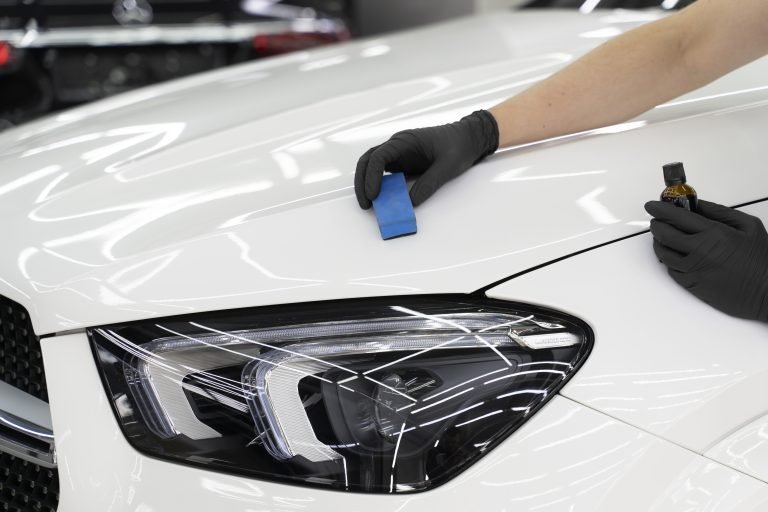
Your car's paint isn't just a color; it's a statement, a protective layer, and a significant part of its resale value. But let's be honest, keeping that finish pristine feels like a constant battle against the elements: road grime, UV rays, rogue shopping carts, and even bird droppings. When it comes to safeguarding your automotive investment, you've likely heard of Ceramic Coatings, but what about the equally viable—and sometimes more appropriate—Ceramic Coating Alternatives (Waxes, Sealants, & PPF Comparison)?
Navigating the world of car protection can feel like deciphering an ancient scroll written in a foreign language. Waxes, sealants, ceramic coatings, PPF—the jargon alone is enough to send you retreating to the nearest car wash. But understanding these options isn't just for detailing enthusiasts; it's crucial for any car owner who wants to preserve their vehicle's aesthetic and structural integrity. This guide cuts through the noise, offering clear, actionable insights into each protective measure so you can make an informed decision that truly suits your car and your lifestyle.
At a Glance: Your Car Protection Playbook
- Waxes & Sealants: The traditional, budget-friendly choices for enhancing shine and offering temporary protection. Great for DIY enthusiasts who enjoy frequent application.
- Ceramic Coatings: A semi-permanent liquid polymer that creates a hardened, hydrophobic layer for excellent chemical, UV, and ease-of-cleaning benefits.
- Paint Protection Film (PPF): The ultimate physical barrier against rock chips, deep scratches, and abrasions, perfect for high-impact areas or luxury vehicles.
- Best of Both Worlds: For unmatched defense, combine PPF on vulnerable spots with a ceramic coating over the entire vehicle (including the PPF).
- Cost vs. Durability: Waxes are cheapest/least durable; PPF is most expensive/most durable. Ceramic coatings sit comfortably in the middle, offering a strong balance.
- DIY vs. Professional: Waxes and spray-on ceramics are DIY-friendly. True ceramic coatings and PPF demand meticulous professional application.
The Foundation: Understanding Your Protection Arsenal
Before we pit these contenders against each other, let's establish a baseline understanding of what each protection type brings to your vehicle's paintwork. Think of them as different types of armor, each designed for specific threats.
Wax: The Classic Shine & Warm Glow
When you think "car polish," you're probably picturing wax. This is the granddaddy of car protection, a timeless solution that has graced automotive finishes for decades. Traditionally, we're talking about Carnauba wax, a natural organic material derived from the leaves of a Brazilian palm tree. It's known for imparting a deep, warm glow and an almost wet-look shine that many enthusiasts adore.
But "wax" today also often refers to synthetic paint sealants, which are man-made polymers designed to mimic and often exceed the protective qualities of natural waxes. Applied as a paste or liquid and then buffed off, waxes and sealants primarily boost paint vibrancy and shine. While they offer some level of protection against light contaminants and UV rays, their primary role is aesthetic enhancement and minor, temporary defense.
Paint Protection Film (PPF): The Invisible Armor
Often dubbed a "clear bra," Paint Protection Film (PPF) is the heavy-duty bodyguard of car protection. This isn't a liquid you wipe on; it's a thick, transparent, flexible urethane film meticulously applied directly to your vehicle's painted surfaces. Imagine a super-tough, virtually invisible sticker that hugs every contour of your car.
Modern PPF goes beyond just a protective layer; it boasts self-healing properties. Minor scratches and swirl marks literally disappear when exposed to heat (like sunlight or warm water), maintaining a flawless appearance. Its primary purpose is to absorb and deflect physical impacts, making it the undisputed champion against rock chips, road debris, and abrasive scratches. For high-impact areas like bumpers, hoods, fenders, and side mirrors, PPF is often the first line of defense many discerning owners consider. You might even find it recommended in [panduan perawatan cat mobil] for new car owners.
Ceramic Coatings: The Modern Guardian of Gloss
Stepping into the 21st century of car care, we find Ceramic Coatings. These are liquid polymers, typically based on Silicon Dioxide (SiO2), that chemically bond with your car's factory paint. This bond creates a semi-permanent, hardened protective layer that acts like an additional clear coat—but one that's significantly harder, smoother, and more resilient. You'll often hear them referred to as quartz or glass coatings, which makes sense given that SiO2 is a glass derivative.
Within the ceramic coating family, there are a few key distinctions:
- Nano Ceramic Coatings: These are the "true" ceramic coatings. They have a high SiO2 content and a consistency similar to super glue, requiring meticulous surface preparation and application. Once cured, they offer multi-year durability.
- Graphene Ceramic Coatings: A newer evolution, these are nano ceramic coatings infused with graphene, a single layer of carbon atoms. Manufacturers claim enhanced durability, strength, and reduced water spotting compared to traditional SiO2 coatings, pushing claimed longevity even further.
- Spray-On Ceramic Coatings: These are the easiest ceramic options for DIY enthusiasts. They have varying (and generally lower) SiO2 content compared to their nano counterparts. While not offering the same multi-year protection, they're excellent for boosting existing coatings, extending the life of waxes/sealants, or providing quick, temporary ceramic benefits for 6 months to a year. They're also often the cheapest ceramic option, costing a fraction of professional-grade applications.
Choosing between these often depends on your priorities, budget, and willingness to DIY. For instance, [tips untuk memilih cat mobil yang tepat] often extends to how you plan to protect that paint, making the protection choice just as critical as the color itself.
Head-to-Head: A Deep Dive into Performance Metrics
Now that we know our contenders, let's put them through their paces. This is where we break down the critical performance aspects to see how waxes, sealants, PPF, and ceramic coatings stack up against each other.
Rock Chip & Scratch Resistance: Who Takes the Hits Best?
This is where the differences become stark.
- PPF (Excellent): Hands down, PPF is the champion here. Its thick urethane film is designed to absorb impacts from road debris, literally preventing rock chips and deep scratches from reaching your paint. If your driving environment involves a lot of gravel, highway miles, or you simply despise paint imperfections, PPF is your top choice. Its self-healing properties also mean minor abrasions on the film itself often disappear.
- Ceramic Coating (Fair): While ceramic coatings add a measurable layer of hardness to your clear coat, they are not designed to stop physical impacts like rock chips. Think of it as a harder shell, not a flexible shield. It will offer good protection against swirl marks and light abrasions from improper washing, but a sharp key or a flying pebble will still likely penetrate it. They do not guard against deep scratches or significant impacts.
- Wax/Sealant (Poor): These offer virtually no protection against rock chips or scratches. Their thin layer provides a slippery surface that might reduce very minor marring, but it's largely negligible in terms of physical damage.
Chemical & UV Resistance: Guarding Against the Elements
Environmental contaminants and the sun's harsh rays are silent killers for your car's finish.
- Ceramic Coating (Superior): This is where ceramic coatings truly shine. Their chemical bond forms an incredibly resilient barrier against virtually everything. They offer superior protection against UV rays (preventing paint fading), acid rain, bird droppings, insect guts, road salt, industrial fallout, and other corrosive liquids. This robust chemical resistance means fewer permanent stains and easier cleanup.
- PPF (Good): PPF offers strong UV protection, preventing the paint underneath from fading. While it can withstand many chemicals, it's not quite as chemically inert as a ceramic coating. Prolonged exposure to certain harsh chemicals could potentially stain or etch the film itself, though modern films are very resistant.
- Wax/Sealant (Minimal): Waxes and sealants offer temporary and relatively weak resistance to chemicals and UV light. Their protective layer degrades quickly under harsh conditions, requiring frequent reapplication to maintain even this minimal defense.
Ease of Cleaning & Hydrophobicity: Water Beading Like Magic
One of the most satisfying benefits of advanced paint protection is watching water bead and roll off the surface. This is known as hydrophobicity.
- Ceramic Coating (Excellent): Ceramic coatings are legendary for their hydrophobic properties. The ultra-smooth, low-surface-energy layer causes water to bead up into tight, spherical droplets that easily roll off, carrying dirt and grime with them. This "self-cleaning" effect dramatically makes your car easier to wash and stay clean for longer. Dirt struggles to bond, and rinsing is a breeze.
- PPF (Good): Modern PPF is also quite hydrophobic, though typically less so than a dedicated ceramic coating. Water will bead and sheet off relatively well, aiding in cleaning. However, for maximum hydrophobicity and ease of cleaning over PPF, applying a ceramic coating over the film is the ultimate combination.
- Wax/Sealant (Fair): Waxes and sealants provide some hydrophobic properties, causing water to bead, but it's generally less pronounced and far less durable than ceramic coatings. The effect fades quickly, and dirt still tends to stick more readily.
Gloss & Aesthetic Appeal: The Visual Impact
Protection is great, but let's not forget about looking good! Each option offers a distinct visual characteristic.
- Ceramic Coating (Excellent): Ceramic coatings deliver a deep, intense, long-lasting gloss that often enhances the paint's richness and clarity. It's a crisp, almost glass-like shine that remains consistently strong for years.
- Wax (Good): Many enthusiasts love the "warm glow" and unparalleled paint depth that natural Carnauba waxes impart. It's a distinct, rich aesthetic that some argue is unmatched by anything else, albeit short-lived.
- Paint Sealant (Good): Synthetic paint sealants typically offer a high-gloss, slick finish that boosts paint depth, often with a slightly more reflective quality than natural waxes.
- PPF (Good): Modern PPF is virtually invisible and designed not to alter the underlying paint's appearance. It maintains the factory gloss and clarity, effectively looking like an extra layer of clear coat.
Durability & Longevity: How Long Will It Last?
This is perhaps the most significant differentiator, impacting cost-effectiveness and maintenance frequency.
- PPF (Excellent): A high-quality PPF can easily last 5-10+ years, often with manufacturer warranties to back it up. It's the longest-lasting single form of protection.
- Ceramic Coating (Excellent): Durability varies significantly within the ceramic family.
- Nano Ceramic Coatings: Professional-grade applications typically last 2-5 years.
- Graphene Ceramic Coatings: Claimed durability can extend up to 5-10 years, though this is a newer technology still being proven over time.
- Spray-On Ceramic Coatings: These offer shorter-term protection, usually 6 months to 1 year.
- Wax/Sealant (Poor): These are the least durable options.
- Wax (Natural Carnauba): Typically lasts only 1-2 months, sometimes less in harsh climates.
- Paint Sealant (Synthetic): Generally lasts longer than natural waxes, up to 6 months to 1 year for good quality products.
As you can see, the choice here dictates how often you'll be dedicating time to reapplying protection. Considering [manfaat detailing mobil secara rutin], longevity is a key factor in reducing that routine.
Cost & Value Proposition: What's the Investment?
Protecting your car's paint is an investment, and the price tags vary wildly.
- PPF ($$$$$): This is the most expensive option by a significant margin. Full vehicle PPF can cost anywhere from $4,000 to $10,000+, depending on the vehicle size, complexity, and installer. Even covering high-impact areas (front bumper, hood, fenders) can be $1,500-$3,000+. Its high cost is justified by its unparalleled physical protection and longevity.
- Ceramic Coating ($$$): Professional ceramic coating installation typically ranges from $1,500 to $3,000, which includes extensive paint correction (polishing) to ensure a flawless surface before application. DIY kits can be found for $70-$300, but success heavily depends on your skill and preparation.
- Wax/Sealant ($): These are the most budget-friendly. A bottle of quality liquid wax or sealant can cost $15-$50, while a good paste wax might be $30-$100. Spray-on ceramic coatings are the cheapest ceramic option, usually around $15-$30 per bottle.
When considering the long-term value, dividing the initial cost by the years of protection helps put things in perspective. A $20 wax applied every two months for 5 years could actually add up, potentially surpassing a DIY ceramic coating. Meanwhile, a professional ceramic coating, while a larger upfront cost, might be cheaper over 5 years than constantly reapplying sealants. For those seeking the [pelindung cat mobil terbaik] for their budget, this calculation is crucial.
Application Complexity & DIY Feasibility: Are You Up for the Challenge?
Your comfort level with DIY car care plays a huge role in choosing the right protection.
- Wax/Sealant (Easy DIY, Labor-Intensive for Reapplication): These are generally the easiest to apply yourself. You wash, apply a thin layer, let it haze, and buff it off. The challenge lies in the frequency; reapplying every 1-6 months can be time-consuming. Learning [cara mengaplikasikan wax mobil dengan benar] is a basic skill for any car owner.
- Ceramic Coating (Professional for Nano/Graphene, Easier for Spray-On DIY):
- Nano & Graphene Coatings: These require an incredibly meticulous surface preparation process (washing, decontamination, paint correction/polishing) to ensure the surface is perfectly clean and smooth. The coating itself needs careful application in controlled environments, with proper leveling and removal of high spots before it cures. Professional installation is highly recommended for these types due to the complexity and potential for expensive mistakes.
- Spray-On Ceramic Coatings: These are much easier for DIY application, typically requiring just a spray-and-wipe method after washing. They're a great entry point into ceramic technology.
- PPF (Highly Complex, Professional Recommended): PPF installation is an art form. It involves precise cutting, stretching, and laying the film onto curved surfaces without bubbles, creases, or visible seams. This process requires specialized tools, a dust-free environment, and extensive experience. DIY PPF is generally not advisable for anything beyond very small, flat areas, as mistakes are costly and unsightly.
Beyond the Basics: Compatibility, Coverage, and Niche Needs
The world of paint protection isn't always about choosing one option. Sometimes, the best solution involves layering or specific considerations for unique finishes.
The Ultimate Layering Strategy: PPF + Ceramic Coating
For those who demand the absolute pinnacle of protection and aesthetics, combining PPF and ceramic coating is the ultimate synergy.
- How it works: Apply PPF to high-impact areas (front bumper, hood, fenders, side mirrors, rocker panels) for maximum physical protection against rock chips and deep scratches. Then, apply a ceramic coating over the entire vehicle, including the PPF.
- Why it's great: This combination gives you the best of both worlds: the robust physical barrier of PPF, plus the enhanced UV protection, superior chemical resistance, and extreme hydrophobicity (dramatic ease of cleaning) that a ceramic coating provides to both the paint and the film. The ceramic coating also makes the PPF even easier to maintain and can extend its lifespan by shielding it from environmental degradation.
Waxing Over a Ceramic Coating? Generally Pointless.
This is a common question, and the answer is usually no.
- Why not? Waxes benefit from interacting directly with your car's clear coat to achieve their characteristic glow and depth. When applied over a hard, slick ceramic coating, the wax struggles to bond and doesn't offer the same aesthetic or protective benefits. Moreover, many waxes contain solvents that could potentially degrade the ceramic coating's durability over time, especially if applied frequently.
- Hybrid solutions: There are "hybrid ceramic waxes" or ceramic-infused spray waxes designed to be compatible with and boost existing ceramic coatings or even serve as standalone light protection. These are formulated differently. But a traditional Carnauba wax? Skip it over your ceramic.
Protecting Your PPF: Ceramic is Best
If you've invested in PPF, you'll want to protect that protection.
- Ceramic Coating: As mentioned, applying a ceramic coating over PPF is considered the best method. It enhances the film's UV protection, makes it significantly easier to clean due to improved hydrophobicity, and helps prevent water spots from etching onto the film.
- "PPF-Safe" Sealants/Waxes: Some synthetic sealants and waxes are formulated to be "PPF-safe," meaning they don't contain harsh solvents (like excessive naphtha or kerosene, generally under 5%) that could degrade the film. These offer temporary gloss and minor hydrophobic benefits.
Special Cases: Matte Finishes & Vinyl Wraps
Not all car finishes are created equal, and protection needs to be tailored.
- Matte Paint/Vinyl Wraps: Standard waxes and glossy sealants are a big no-no for matte finishes or satin vinyl wraps. They will fill the microscopic textures that give matte its characteristic non-reflective look, leading to uneven shine and ruining the finish.
- What to use: For matte paint or vinyl wraps, you need specialized products. Look for:
- Matte-specific detail sprays or sealants: These are formulated to protect without adding gloss.
- Specialized PPF: There are matte or satin finish PPFs that protect the underlying paint while maintaining the desired non-glossy look.
- Specific Ceramic Coatings: Some ceramic coatings are explicitly designed for matte finishes, providing protection and hydrophobicity without altering the sheen.
Glazes and Ceramics: A Bad Mix
Glazes, which are products containing polishing oils designed to fill minor imperfections and add a temporary wet look, are a beautiful complement to waxes and sealants. However, they are entirely incompatible with ceramic coatings.
- The problem: Ceramic coatings require an absolutely oil-free surface to bond correctly. Any residue from a glaze will prevent the ceramic from forming its strong chemical bond, leading to poor adhesion, short durability, and potential hazing.
- The rule: If you're applying a ceramic coating, glazes must be thoroughly removed through a comprehensive paint preparation process (wash, decontamination, polish, and IPA wipe) before the ceramic is even considered.
Making the Right Choice for Your Ride: A Decision Framework
Now for the crucial part: how do you decide which protection strategy is right for you? It boils down to prioritizing your needs, understanding your budget, and acknowledging your willingness to maintain the vehicle.
Choose Paint Protection Film (PPF) If...
- Your primary concern is physical damage. If rock chips, deep scratches, door dings, and road debris are your biggest fears, especially on a new or high-value vehicle, PPF is the unmatched solution.
- You frequently drive in harsh conditions. Gravel roads, highway commutes, or areas with construction mean a higher risk of impact damage.
- You want unparalleled impact protection. Nothing else offers the same level of physical barrier as PPF.
- You're protecting a high-end or collector vehicle. For these cars, preserving the original paint without any blemishes is paramount to maintaining value.
- Budget is not your primary constraint. You're prepared for the significant upfront investment for long-term peace of mind.
Choose Ceramic Coating If...
- You seek long-lasting durability against environmental elements. You want robust protection against UV rays, fading, chemical stains, acid rain, bird droppings, and road salt for years, not months.
- You desire significantly reduced maintenance time. The hydrophobic properties of ceramic coatings make washing your car dramatically easier and less frequent. Dirt struggles to stick, and water beads off effortlessly.
- You want a deep, long-lasting gloss with strong hydrophobic properties. You appreciate a consistently brilliant shine that looks "freshly detailed" for an extended period.
- You prioritize chemical and UV resistance over physical impact protection. You're more concerned about environmental damage and swirl marks than rock chips.
- You're comfortable with a professional application or a diligent DIY process (for true ceramics). You understand the need for meticulous surface prep for optimal results.
- You're looking for a strong balance of performance and longevity without the extreme cost of PPF.
Choose Wax/Sealant If...
- You are budget-conscious. These are the most affordable upfront options.
- You enjoy the ritual of frequent application. If you find car washing and waxing a relaxing hobby, and you don't mind reapplying protection every few weeks or months, wax is a great fit.
- You prioritize the deepest paint vibrancy for short durations. Many still argue that a freshly applied Carnauba wax offers a unique depth and warmth of shine that's hard to replicate.
- Your car is garaged and driven infrequently, thus exposed to fewer harsh elements.
- You're looking for temporary shine and basic protection.
- You're new to car detailing and want an easy entry point.
Consider your driving environment, how often you wash your car, and how long you plan to own the vehicle. These factors will heavily influence which protection method offers the best return on your investment of time and money.
Common Questions & Misconceptions: Setting the Record Straight
The car care industry is rife with myths and marketing hype. Let's clear up some common questions.
"Does ceramic coating really stop rock chips?"
No, absolutely not. This is one of the biggest misconceptions. While ceramic coatings add a measurable layer of hardness to your clear coat, they are not designed to absorb or deflect physical impacts like rock chips. Think of it as a harder, more resilient surface against scratches and chemical etching, not a flexible shield against blunt force. For rock chip protection, you need PPF.
"Can I apply a 'true' ceramic coating myself?"
Yes, but with significant caveats. While DIY kits for nano ceramic coatings are available, achieving professional-level results is incredibly challenging. The success hinges almost entirely on meticulous surface preparation, including thorough washing, decontamination, and often paint correction (polishing) to remove any imperfections before application. If the surface isn't perfect, the coating will lock in those defects, and if not applied correctly, it can result in high spots, streaks, or hazing that are very difficult to remove. For multi-year professional-grade ceramic coatings, professional installation is strongly recommended. Spray-on ceramic coatings, however, are much more DIY-friendly.
"Is graphene ceramic coating really better than traditional SiO2 ceramic coating?"
The claims are strong, but long-term data is still emerging. Manufacturers of graphene-infused ceramic coatings claim enhanced durability (up to 10 years), greater strength, reduced water spotting, and improved slickness compared to traditional SiO2 ceramic coatings. Early results from detailers and users are promising, but as a newer technology, it will take more time to fully validate these claims across various conditions and applications. It's often priced higher than standard ceramics.
"What about 'hybrid ceramic waxes' or 'ceramic-infused sealants'?"
These products are designed to bridge the gap between traditional waxes/sealants and full ceramic coatings. They incorporate some SiO2 or other ceramic-like polymers into their formula.
- Benefits: They offer better durability and hydrophobicity than traditional waxes or sealants, making them a great option for DIY enthusiasts who want a taste of ceramic benefits without the full commitment or cost of a true ceramic coating. They're also excellent for boosting or maintaining existing ceramic coatings.
- Limitations: They do not offer the same multi-year durability, hardness, or robust protection against chemicals and UV as a dedicated, high-solids ceramic coating. They are a step up from traditional products but not a full replacement for a professional ceramic application.
Final Thoughts: Investing in Your Vehicle's Future
Your vehicle is a significant investment, and its paintwork is often the first thing people notice. Deciding on the right protection, whether it’s a traditional wax, a cutting-edge ceramic coating, or the robust defense of PPF, directly impacts its longevity, aesthetic appeal, and resale value.
There's no single "best" option that fits everyone. The ideal choice is a carefully considered balance of your budget, lifestyle, driving habits, desired maintenance level, and the specific threats your vehicle faces. For some, the ritual of waxing offers a tangible connection to their car. For others, the set-it-and-forget-it nature of a professionally installed ceramic coating or PPF is worth every penny in saved time and peace of mind.
Ultimately, by understanding the unique strengths and weaknesses of Ceramic Coating Alternatives (Waxes, Sealants, & PPF Comparison), you're empowered to make a decision that protects your ride, enhances its beauty, and keeps it looking its best for years to come. Do your research, ask questions, and don't be afraid to consult with experienced detailers. Your car—and your wallet—will thank you for it.