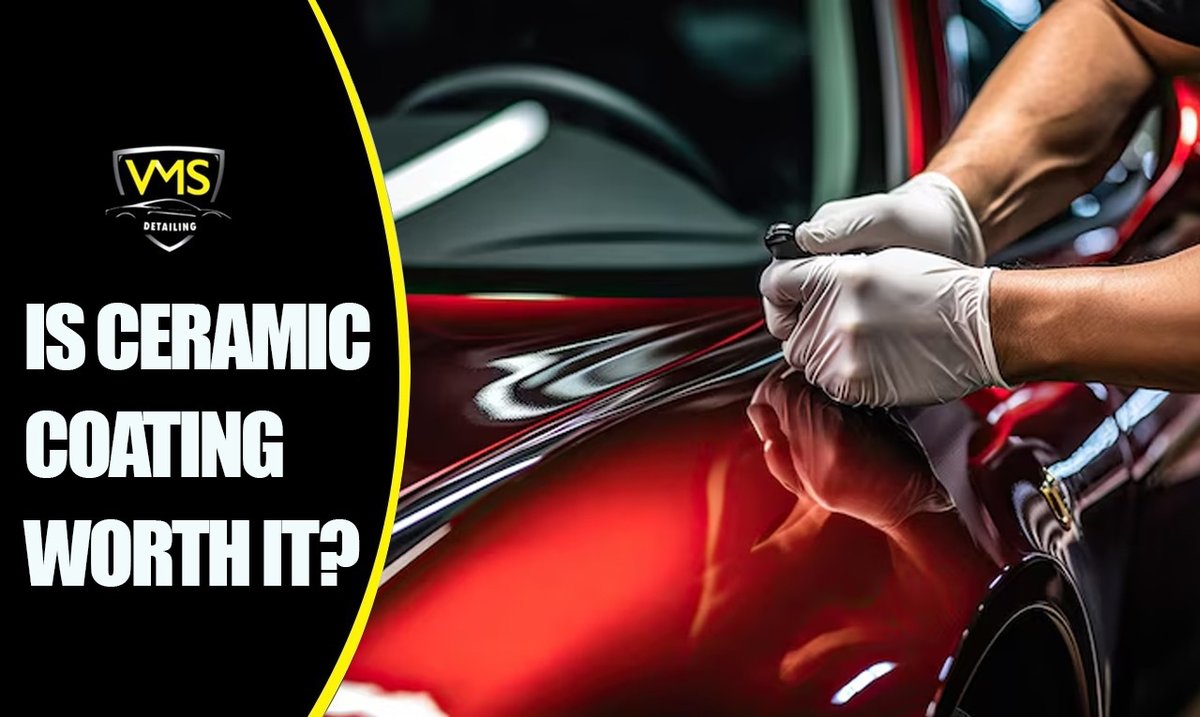
In the world of automotive care, ceramic coating has emerged as a revolutionary solution, promising unparalleled protection and a showroom shine that lasts. But with claims of incredible durability and significant investment, a crucial question arises for many car enthusiasts and everyday drivers alike: Is ceramic coating worth it?
This question isn't just about the upfront cost; it's about evaluating long-term value, understanding realistic expectations, and deciding if this advanced protection truly aligns with your vehicle care philosophy. As your editorial lead, we're here to cut through the jargon and provide a human-first overview, guiding you through the ins and outs of ceramic coatings to help you make an informed decision.
Unpacking the Science: What Exactly is Ceramic Coating?
Before we dive into the pros and cons, it's essential to understand what ceramic coating actually is. Imagine a super-thin, invisible layer of liquid glass chemically bonding to your vehicle's surfaces. That's essentially ceramic coating. Made from silica-based (silicon dioxide/SiO2) nanomaterials, sometimes with titanium dioxide (TiO2), it cures to form a hard, incredibly slick barrier. This isn't just for paint; it protects glass, plastic trim, and wheels, sealing them from the elements.
This cutting-edge technology, which began making its way into automotive use in the mid-2000s, creates a durable, invisible shield. If you're curious to Learn about ceramic coating What is and how this cutting-edge technology works, we've got a dedicated guide to walk you through the specifics.
The Compelling Advantages: Why Car Owners Love It
So, what exactly makes ceramic coating so appealing to car owners? The list of advantages is quite compelling, transforming your vehicle's care routine and appearance. This protective layer provides comprehensive care, offering a host of benefits that extend beyond a simple shine.
Here’s why many drivers consider it a worthwhile investment:
- Superior Protection: Ceramic coatings act as a robust shield against common environmental aggressors. This includes harmful UV rays that cause paint fading, corrosive bird droppings, road grime, urban pollutants, and even minor scratches from daily wear and tear.
- Enhanced Appearance: Beyond protection, ceramic coating significantly boosts your car's aesthetic appeal. It delivers a high-gloss, almost wet-look finish that maintains paint brightness and deepens its color, giving your vehicle that coveted showroom-new look.
- Remarkable Hydrophobicity: One of its most impressive features is its water-repelling capability. Liquids bead up and effortlessly slide off the coated surface, minimizing water spots and preventing dirt and grime from adhering, which makes cleaning remarkably easier.
- Extended Longevity: Unlike traditional waxes that last months, professional ceramic coatings can protect your vehicle for 3-5 years, while quality DIY kits offer 2-3 years of protection. This semi-permanent solution offers long-term peace of mind.
- Increased Resale Value: A well-maintained vehicle with pristine paintwork naturally commands a higher resale price. By preserving your car's exterior condition, ceramic coating contributes to a better return on investment down the line.
For a deeper dive into the Benefits of Ceramic Coatings (The you can expect, our detailed guide covers every angle of how this coating elevates your car care.
Understanding the Trade-offs: What Ceramic Coating Won't Do
While the advantages are significant, it's equally important to approach ceramic coating with realistic expectations. It's not a magic shield, and understanding its limitations is key to satisfaction. Many common misconceptions often lead to disappointment if not properly addressed.
Here are the key limitations to consider:
- Not Scratch-Proof: This is perhaps the biggest misconception. While ceramic coatings offer excellent protection against minor scratches and swirling, they are not impervious to deep scratches, rock chips, or significant impacts. For robust physical protection against such damage, Paint Protection Film (PPF) is the more suitable choice.
- Maintenance Is Still Required: Ceramic coating simplifies car care, but it doesn't eliminate it. Your vehicle will still need regular washing to maintain its pristine appearance and coating integrity. Think of it as making cleaning easier, not removing the need for it entirely.
- Preparation Is Paramount: The final look and performance of a ceramic coating are heavily dependent on the quality of the surface preparation. Any paint imperfections, swirls, or scratches present before application will be sealed under the coating and become more noticeable. This crucial pre-application work adds to the overall time and potential cost.
Discover the Potential cons of ceramic coatings before you commit, ensuring your expectations are aligned with what this technology truly offers.
The Investment: Cost & Value Proposition
Now, let's talk numbers. The investment in ceramic coating is often a primary consideration for many car owners. Costs can vary widely, but understanding the value proposition is essential to evaluating its true worth. The price tag depends significantly on whether you choose a professional application or a DIY approach.
Professional Application
Opting for a professional application typically ranges from $750 to $5,000, with most quality jobs falling between $800 and $2,500. This wide range is influenced by:
- Vehicle Size: Larger vehicles require more product and labor.
- Vehicle Age & Condition: Older vehicles often need extensive paint correction (polishing, swirl removal, decontamination) before coating, which adds to the cost.
- Type of Coating: Different professional-grade formulas offer varying levels of durability and features.
- Installer Expertise & Reputation: Reputable detailers often provide warranties for their work, reflecting their confidence in the application and product.
While a higher upfront cost, professional application typically uses higher concentration formulas, ensures meticulous preparation, and delivers a superior, long-lasting finish backed by expertise. This is often the better option for serious, long-term paint care.
DIY Kits
For those on a tighter budget or who enjoy car care, DIY kits are available, usually priced between $100 and $300. These kits provide the product and basic application tools. However, they demand significant preparation work from the user and careful, precise application to achieve satisfactory results. While more budget-friendly and temporary, they can be a good entry point if done correctly.
Understanding the Factors influencing ceramic coating price is essential to making an informed decision about this investment.
How Long Does It Last? Durability & Maintenance
A significant draw of ceramic coating is its promise of long-lasting protection, far exceeding traditional waxes. But just how long does it actually last, and what impacts its lifespan? The durability of a ceramic coating is a key factor in determining if it's "worth it" for your specific needs.
Expected Lifespan
- Professional Coatings: Typically last 3-5 years, thanks to their advanced formulations and expert application.
- DIY Kits: Generally provide protection for 2-3 years, depending on the product quality and application technique.
Factors Influencing Longevity
The actual lifespan of your ceramic coating can be affected by several factors:
- Proper Maintenance: The single most crucial factor. Lack of care will significantly reduce the coating's lifespan.
- Product Quality: High-quality, chemical-resistant coatings naturally last longer.
- Environmental Exposure: Vehicles regularly exposed to harsh sun, heavy rain, road salt, or industrial pollutants may see a slightly reduced lifespan compared to garage-kept vehicles in milder climates.
Maintaining Your Ceramic Coating
To ensure your coating lives up to its maximum potential, follow these essential maintenance steps:
- Use pH-Neutral Shampoo: Always wash your vehicle with a shampoo specifically formulated for ceramic coatings. Harsh chemicals can degrade the coating.
- Rinse Thoroughly: Ensure all soap residue is rinsed completely to prevent water spots.
- Proper Drying: Towel dry with a soft microfiber towel or use a blow dryer for a streak-free finish.
- Regular Inspections: Periodically check all coated surfaces—paint, wheels, trim, glass—for any signs of dirt buildup or damage.
- Optional Boosters: Occasionally applying a ceramic car wax or sealant can help preserve and boost the coating's hydrophobic properties.
Explore the Longevity & Durability of Ceramic in detail to set your expectations and learn how to maximize your investment.
Ceramic Coating vs. Paint Protection Film (PPF): Knowing the Difference
It's common to confuse ceramic coating with Paint Protection Film (PPF), but they serve distinct purposes. Understanding the difference is crucial for choosing the right protection for your vehicle.
- Ceramic Coating: This is a liquid-applied surface coating that bonds chemically to the paint, creating a hard, hydrophobic, and chemically resistant layer. It protects against UV rays, chemicals, environmental contaminants, and minor abrasions, enhancing gloss and making cleaning easier.
- Paint Protection Film (PPF): This is a transparent, self-healing physical film applied to the vehicle's exterior. Its primary function is robust impact protection against rock chips, deep scratches, and scuffs. PPF offers a higher level of physical damage resistance than ceramic coatings.
Often, car owners choose to combine both: applying PPF to high-impact areas (like the front bumper, hood, fenders) for physical protection, and then ceramic coating over the entire vehicle (including the PPF) for enhanced gloss, hydrophobicity, and ease of cleaning.
The Verdict: So, Is Ceramic Coating Worth It For You?
Ultimately, the question of "is ceramic coating worth it" depends on your individual priorities, budget, and commitment to vehicle care. If you value long-term paint protection, a consistently stunning appearance, significantly easier cleaning, and are prepared for the initial investment and ongoing (albeit simplified) maintenance, then ceramic coating can be an incredibly worthwhile investment.
It's an ideal solution for vehicles that require extensive exterior care or those frequently exposed to harsh environmental factors, ensuring they maintain their aesthetic appeal and structural integrity for years to come. By understanding both its impressive capabilities and its limitations, you can make an educated decision that perfectly suits your vehicle and lifestyle.
Dive deeper into each aspect discussed here through our comprehensive pillar guides to equip yourself with all the knowledge needed to decide if ceramic coating is the right choice for your vehicle's future.