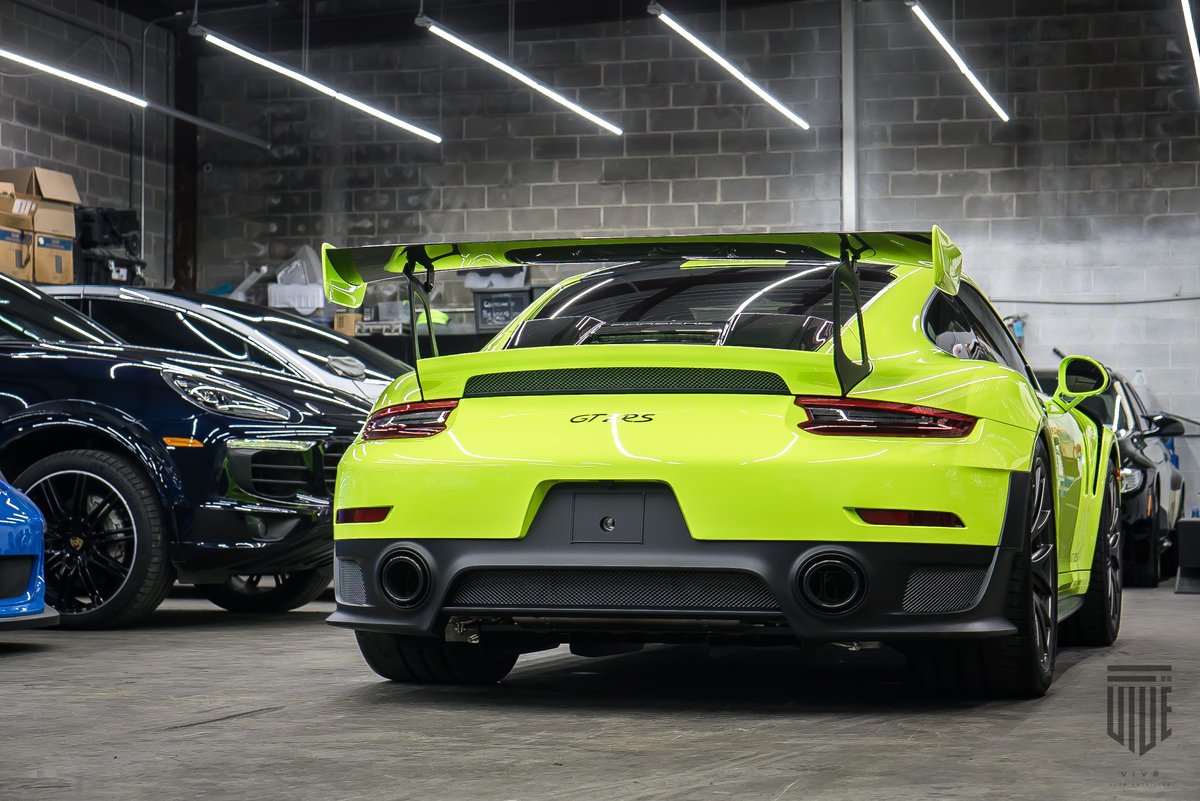
Investing in a ceramic coating for your vehicle is more than just about getting that mirror-like shine; it's about superior protection and dramatically easier maintenance. But the big question on everyone's mind usually boils down to the longevity & durability of ceramic coatings (expected lifespan & performance). How long will this invisible shield truly last, and what can you expect from it in the real world?
Forget the hype for a moment. As a journalist who’s seen countless products come and go, I'm here to cut through the marketing speak and deliver the hard facts. We'll explore what truly impacts a ceramic coating's lifespan, separate manufacturer claims from real-world results, and equip you with the knowledge to make your investment last.
At a Glance: Ceramic Coating Lifespan & Performance
- Average Lifespan: Professional ceramic coatings typically last 2-8 years; DIY coatings, 6 months-2 years; spray-on products, 3-6 months.
- Manufacturer Claims vs. Reality: Expect real-world performance to be about 30% less than advertised due to ideal testing conditions.
- Key Factors: Installation quality, product quality (9H/10H, SiO2 content), maintenance practices, and environmental exposure are critical.
- Longest Lasting: Professional-grade coatings using SiC (Silicon Carbide) chemistry, like System X, often boast the longest lifespans (5-8 years).
- Maintenance Matters: Regular, proper washing with pH-neutral shampoos and applying boosters significantly extends life.
- What It Protects Against: UV damage, fading, chemical stains, water spots, dirt adhesion. It doesn't prevent deep scratches or rock chips.
- Signs of Wear: Reduced water beading, dullness, less slickness, increased dirt adhesion.
Beyond the Bottle: What Exactly Is a Ceramic Coating?
Before we dive into how long they last, let's quickly clarify what we're dealing with. A ceramic coating isn't just another wax. It's a liquid polymer, often containing silica dioxide (SiO2) or silicon carbide (SiC), that chemically bonds with your car's factory paint and clear coat. This creates a new, incredibly durable, and hydrophobic (water-repelling) layer.
Think of it as a transparent, sacrificial shell. This glass-like barrier repels contaminants like water, dirt, grime, and even prevents harmful UV rays from damaging and fading your paint. It also enhances gloss, resists chemical stains, and makes the surface so slick that cleaning becomes remarkably easier. Unlike traditional waxes or sealants that merely sit on the paint and wash away quickly, a ceramic coating integrates with it, offering significantly longer-lasting protection and requiring far less frequent reapplication. For a deeper dive into the science and benefits, check out everything you need to know about ceramic coatings.
The Million-Dollar Question: How Long Does Ceramic Coating Really Last?
This is where the rubber meets the road. Manufacturers often throw around impressive numbers, touting coatings that last 9+ years. While technologically possible under perfect conditions, real-world performance is typically about 30% less than advertised. Why the disparity? Manufacturers test under controlled, pristine lab environments, far removed from daily commutes, sudden downpours, scorching sun, and dusty roads.
So, let's talk about realistic expectations.
Professional-Grade Ceramic Coatings: The Gold Standard
When applied by a certified detailer, professional-grade coatings offer the longest and most reliable protection.
- System X: Known for its SiC (Silicon Carbide) chemistry, System X coatings are among the longest-lasting, typically providing 5-8 years of robust protection.
- Gyeon: A highly respected brand, Gyeon coatings reliably deliver 3-5 years of excellent hydrophobic properties and protection.
- CarPro (CQuartz UK 3.0): Another industry favorite, CarPro coatings are well-engineered and offer predictable performance, usually lasting 3-5 years.
- Ceramic Pro (Gold, Silver, Bronze): Lifespan here depends on the specific product and package chosen, ranging from 2-5 years.
DIY Ceramic Coatings: A Shorter-Term Solution
For the passionate weekend warrior, DIY kits offer a taste of ceramic coating benefits but with a significantly shorter lifespan. You can typically expect these to last anywhere from 6 months to 2 years maximum. This is often due to less potent formulations and the challenges of achieving professional-level preparation and application at home.
Spray-On Ceramic Products & Boosters: Quick Hits
These are not full ceramic coatings in the traditional sense. Spray-on ceramic products or "boosters" are designed to be quick, easy-to-apply hydrophobic enhancements. They provide a temporary top-up of slickness and water-repellency, typically lasting 3-6 months. They're excellent for maintaining an existing coating or offering temporary protection, but they won't replace a true ceramic coating.
The Unsung Heroes (and Villains) of Coating Durability: Factors That Make or Break Your Investment
A ceramic coating's advertised lifespan is merely a starting point. Its true durability in your driveway depends heavily on several critical factors. Understanding these allows you to become an active participant in preserving your investment.
1. The Foundation: Installation Quality is Everything
This is arguably the single most important factor. A ceramic coating is only as good as the surface it's applied to.
- Professional Application vs. DIY: Professionals consistently achieve 3-4 times longer lifespans than DIY attempts. This isn't just about expertise; it's about process.
- Multi-Stage Paint Correction: A professional will meticulously wash, clay bar, compound, and polish your paint to near perfection before coating. This removes swirls, scratches, and surface contaminants, ensuring the coating bonds flawlessly. Without proper preparation, the coating won't adhere correctly and will fail prematurely. You can learn more about the critical role of paint correction in achieving optimal results.
- Surface Decontamination: Beyond just washing, pros use chemical decontaminants to remove invisible iron particles and other impurities.
- Controlled Environment: Professional detailers work in dust-free, temperature-controlled bays, crucial for proper application and cure times.
- Multiple Layers & Cure Times: Many professional coatings benefit from multiple layers and specific cure times between applications, building up thickness and durability.
- Professional-Grade Products: Detailers have access to industrial-strength prep chemicals and more concentrated coating formulas not available to the general public.
While DIY can save money upfront, weighing DIY against professional options reveals that professional application generally offers superior longevity and performance.
2. The Product Itself: Not All Coatings Are Created Equal
Just like anything else, quality varies wildly in the ceramic coating market.
- Hardness Ratings (9H/10H): Look for coatings rated 9H or 10H on the Mohs scale (pencil hardness scale). This indicates superior scratch resistance and durability. While no coating makes your car "scratch-proof," higher hardness means better protection against minor abrasions and swirl marks.
- SiO2 Content: Premium coatings often boast over 70% Silicon Dioxide (SiO2) content. This is the primary active ingredient responsible for the coating's hardness, gloss, and hydrophobic properties. Higher percentages generally correlate with better performance and longevity.
- Price Point: Be wary of cheap products. Quality coatings typically cost $60-$100+ per bottle for professional use, while anything in the $30 range is often untrustworthy and will underperform.
3. Your Role: Maintenance Practices That Extend Life
Once applied, a ceramic coating isn't "set it and forget it." Your maintenance habits play a monumental role in its longevity.
- Extend Life (Do These!):
- Regular Washing: Wash your car every two weeks using the 2-bucket method, a quality wash mitt, and pH-neutral car shampoos specifically designed for ceramic coatings. Pre-washes can help lift heavy dirt before contact washing.
- Clean Microfiber Towels: Always use clean, plush microfiber towels for washing and drying to prevent marring the surface.
- Immediate Spot Treatment: Address bird droppings, tree sap, and bug splatter immediately. These acidic contaminants can etch through the coating if left too long.
- Boosters & Toppers: Regularly (e.g., monthly or quarterly) apply ceramic coating boosters or SiO₂ spray toppers. These add a sacrificial layer, refresh hydrophobic properties, and enhance shine, acting like a top-up for your coating.
- Reduce Life (Avoid These!):
- Harsh Detergents: Never use dish soap, household cleaners, or harsh degreasers. These can degrade the coating and diminish its hydrophobic properties.
- Automatic Brush Car Washes: The aggressive brushes and harsh chemicals found in these washes are a quick way to damage your coating and introduce swirl marks.
- Sponges & Dirty Towels: These can abrade the coating and create micro-scratches.
- Standard Waxes & Sealants: Traditional waxes and sealants are not meant for ceramic coatings. They can interfere with the coating's hydrophobic properties and potentially break down its chemical bond.
- Polishing/Compounding: Polishing or compounding will remove most, if not all, of the ceramic coating. If you need to polish your paint, plan on re-coating afterward.
For an exhaustive guide on keeping your coating pristine, read up on proper ceramic coating maintenance.
4. The Environment Strikes Back: Where You Drive, Where You Park
Nature isn't always kind to your car, and environmental exposure significantly impacts coating longevity.
- UV Exposure & Sun: Prolonged exposure to intense sunlight and high UV levels will degrade a coating over time, causing it to lose its effectiveness and hydrophobic properties faster.
- Pollution & Industrial Fallout: Areas with high air pollution, industrial fallout, or acid rain will put more stress on the coating.
- Salt Air & Road Salt: Coastal regions, with their corrosive salt air, or areas that use road salt in winter, can reduce a coating's lifespan by as much as 20%.
- Garaged vs. Outdoors: Vehicles stored in a garage when not in use see their coatings last 30-40% longer than those parked outside 24/7. Protection from the elements is key.
5. Layering Up: Does More Equal Longer?
Some professional-grade coatings allow for multiple layers to be applied, which can indeed boost durability and depth of gloss. Brands like Gyeon often recommend this. However, always follow the specific product's guidance. Applying too many layers or incorrect layering can sometimes lead to issues rather than benefits. More isn't always better if not done right. Dive deeper into the nuances of professional application to understand multi-layering.
6. The Ultimate Sacrifice: Polishing and Compounding
It's crucial to understand that ceramic coatings, while resilient, are not immune to abrasive processes. Polishing or compounding, even light polishing, will physically remove most or all of the ceramic coating. If you find yourself needing to correct paint imperfections after a ceramic coating has been applied, you'll need to plan on re-coating that section (or the entire vehicle) afterward. Ceramic coatings protect against minor scratches and swirl marks but are not a substitute for paint correction and do not prevent deep scratches or rock chips. For heavy-duty rock chip protection, pair your ceramic coating with Paint Protection Film (PPF).
Spotting the Fade: Signs Your Coating is Calling It Quits
Even the best ceramic coating eventually succumbs to the elements and wear. Knowing the signs of degradation helps you plan for reapplication before your paint is left vulnerable.
- Reduced Water Beading: This is often the first and most obvious sign. Water will start to "sheet" or flatten out on the surface rather than forming tight, uniform beads and rolling off quickly.
- Less Gloss or a Duller Finish: The characteristic deep, reflective gloss may start to diminish, and the paint might appear somewhat duller.
- The Paint Feels Less Slick: Run your hand over a freshly coated surface, and it will feel incredibly slick and smooth. As the coating wears, this slickness will decrease.
- Harder to Clean: Dirt, dust, and grime will begin to adhere more readily, and the car will no longer be as easy to clean as it once was. You might find yourself scrubbing more or needing more aggressive cleaners.
- Stubborn Stains Adhere: The coating will no longer effectively repel stubborn stains like bug guts or bird droppings, making them harder to remove without leaving a mark.
Maximizing Your Ceramic Coating's Lifespan: Actionable Steps for Lasting Shine
You've invested in superior protection; now, let's ensure it performs at its peak for as long as possible.
1. Choose Wisely: Invest in Quality and Professionalism
- Product Choice: Opt for professional-grade coatings (System X, Gyeon, CarPro, Ceramic Pro) with high SiO2 content and a 9H/10H hardness rating. Expect to pay $60+ for quality products. Understanding selecting the right ceramic coating products is crucial here.
- Application: For optimal durability and results, always seek professional installation from certified and reputable detailers. Their expertise in preparation and application is unmatched.
2. Preparation is Paramount (Even if You're Not Doing It)
If you're going professional, ensure your detailer follows a meticulous multi-stage paint correction process: thorough wash > clay bar > compound > polish. This is non-negotiable for proper bonding and maximum lifespan. Don't let anyone skip these critical steps.
3. Wash Smart, Not Hard
- Regularity: Wash your vehicle every two weeks to prevent contaminant buildup.
- Method: Always use the 2-bucket method (one for wash, one for rinse) and a dedicated wash mitt.
- Shampoo: Stick to pH-neutral car shampoos designed for coated vehicles.
- Drying: Rinse thoroughly and dry immediately with clean, soft microfiber towels to prevent water spots, especially in hard water areas.
4. Boost & Protect
- Boosters: Apply ceramic coating boosters or SiO₂ spray toppers monthly or quarterly. These products rejuvenate the coating's hydrophobic properties and add a sacrificial layer.
- Parking: When possible, park in shaded areas or use a car cover to minimize UV exposure. Store your vehicle in a garage whenever not in use.
5. Avoid the Pitfalls
- Automatic Washes: Steer clear of automatic brush washes at all costs.
- Harsh Chemicals: Never use dish soap, strong degreasers, or abrasive cleaning products.
- Abrasive Tools: Avoid sponges, dirty towels, or anything that could scratch the surface.
- Standard Waxes/Sealants: Do not apply traditional waxes or sealants over your ceramic coating.
- Polishing: Understand that polishing or compounding will remove the coating, requiring reapplication.
6. Inspect Periodically
Make it a habit to inspect your coating for early signs of wear (reduced beading, dullness). Addressing minor issues promptly can help prolong its overall life.
The Bottom Line: An Investment in Protection and Shine
A ceramic coating is a significant investment in your vehicle's appearance and protection. By understanding the realistic expectations for longevity & durability of ceramic coatings (expected lifespan & performance) and actively engaging in proper care, you can maximize its lifespan and enjoy its benefits for years to come.
It's not just about a temporary shine; it's about preserving your paint, making maintenance effortless, and keeping your vehicle looking its best, day in and day out. Choose wisely, maintain diligently, and your ceramic coating will continue to deliver on its promise.