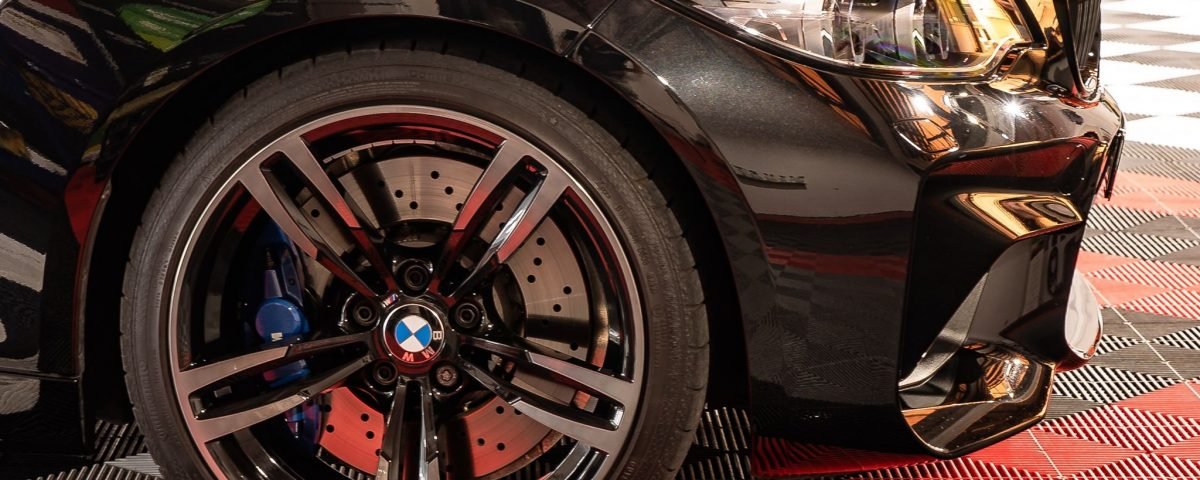
When you invest in a ceramic coating for your vehicle, you're not just adding a layer of protection; you're elevating its long-term resilience and aesthetic appeal. This advanced finish offers unmatched slickness, shine, and the incredible hydrophobicity that makes water bead and sheet off, simplifying your cleaning routine. However, to truly reap these benefits and ensure your investment lasts, you need a dedicated strategy for Maintaining a Ceramic Coated Vehicle (Care & Aftercare). Skipping proper maintenance can lead to premature degradation, "clogging" of the coating, and a complete loss of those coveted protective qualities.
Think of your ceramic coating as the ultimate shield for your car's paint – robust, but not invincible. It works tirelessly to resist environmental fallout, UV damage, and chemical stains, keeping your car looking freshly detailed for years. But like any high-performance system, it thrives on regular, targeted care. This isn't just about keeping your car clean; it's about preserving the coating's original chemical integrity and hydrophobic prowess, ensuring it continues to repel contaminants and maintain that deep, lustrous gloss that first captured your attention.
At a Glance: Key Takeaways for Ceramic Coating Maintenance
- Wash Regularly: Every 2-4 weeks, using a pH-neutral car shampoo and the two-bucket method.
- Dry Carefully: Air dry primarily; if using a towel, pat gently with high-quality microfiber.
- Use Approved Products: Stick to pH-neutral shampoos and specialized removers for contaminants.
- Decontaminate Periodically: A clay mitt/towel or iron remover every few months keeps the coating "breathing."
- Boost Hydrophobicity: Apply a ceramic booster spray every few months to refresh slickness and water behavior.
- Avoid Harsh Chemicals: Steer clear of aggressive degreasers, high-pH soaps, or dish soap.
- Address Contaminants Immediately: Don't let bird droppings, bugs, or tar sit on the surface.
Your Foundation: Routine Washing and Drying
The bedrock of ceramic coating aftercare is a consistent, gentle washing and drying routine. This isn't just about aesthetics; it's about preventing the buildup of grime and road film that can "clog" the coating, reducing its hydrophobic effect and making it less effective at protecting your paint.
The Gentle Art of the Maintenance Wash
Aim to wash your vehicle every two to four weeks, adjusting based on how much exposure it gets to the elements, road salt, or heavy dust. This frequency is your first line of defense against the environmental onslaught your car faces daily.
- The Pre-Rinse Power Play: Always start with a thorough pre-rinse. Use a pressure washer or a strong garden hose to blast away loose dirt, dust, and any larger particles before you ever make contact with the paint. This crucial step dramatically reduces the risk of scratching or marring the coating during the wash. Imagine trying to wipe sandpaper off a surface – that's what happens when you skip the pre-rinse.
- The Two-Bucket Method: Your Safest Bet: When it comes to contact washing, the gold standard for minimizing scratches is the two-bucket method.
- Bucket One (Wash Solution): Fill this with your chosen pH-neutral car shampoo and water, ideally with a grit guard at the bottom. The grit guard helps trap dirt particles that fall off your wash mitt.
- Bucket Two (Rinse Water): This bucket is solely for rinsing your wash mitt after cleaning each section of your vehicle, also equipped with a grit guard. This ensures you're not transferring dirt back to your paint.
- Wash Smart, Not Hard: Work from the cleanest areas (the roof) downwards, saving the dirtiest sections (lower panels, wheels) for last. Use gentle, straight-line motions with your wash mitt, avoiding circular scrubbing which can introduce swirl marks. After washing each panel or a small section, dunk and thoroughly agitate your wash mitt in the rinse bucket before reloading it with fresh wash solution. This methodical approach is key to preserving the flawless finish of your coating. To learn more about mastering the two-bucket wash method, explore our detailed guide.
The Crucial Dry: Preventing Water Spots
Proper drying is arguably as important as proper washing, especially for ceramic-coated vehicles. The super-hydrophobic nature of the coating means water beads up quickly, but if left to air dry under the sun, these beads can act like tiny magnifying glasses, and the minerals within the water can etch into the coating or paint, leaving behind unsightly and stubborn hard water spots.
- Air Power is Your Ally: The safest way to dry is to minimize contact. Use a leaf blower or an air compressor to force water off the surface. This virtually eliminates the risk of scratching and helps get water out of crevices.
- Towel Tactics: If a towel is necessary, invest in a high-quality, plush microfiber drying towel (like a twisted loop or waffle weave). Instead of dragging it across the paint, use a gentle patting or blotting motion. This lifts water off the surface rather than pushing it around, further reducing friction. For insights into investing in quality microfiber drying towels, check out our expert recommendations.
Approved Products and Tools for Longevity
The products you use are just as critical as your technique. Ceramic coatings are durable, but they are not immune to harsh chemicals that can degrade their performance.
The Right Shampoo: pH is Key
Your wash solution should always be a pH-neutral car shampoo (with a pH level around 7). These shampoos are formulated to clean effectively without stripping waxes, sealants, or—critically—ceramic coatings. They are gentle enough to preserve the coating’s delicate surface tension, which is responsible for its hydrophobic properties.
What to Avoid Like the Plague:
- Aggressive Degreasers: These are designed to break down oils and can be too harsh for a ceramic coating.
- High-pH Commercial Wash Solutions: Often found in automatic car washes or industrial cleaners, their strong alkaline nature can chemically weaken the coating’s molecular bonds.
- Dish Soaps: While great for cutting grease on dishes, dish soaps (like Dawn) are highly alkaline and will aggressively degrade your ceramic coating over time, quickly diminishing its hydrophobic properties.
Before you wash, consider selecting the right pH-neutral car shampoo to ensure it's safe and effective for your coated vehicle.
Your Contact Arsenal: Microfiber is Supreme
For contact washing, a high-quality microfiber wash mitt is non-negotiable. Its plush fibers are designed to lift and trap dirt particles away from the paint surface, minimizing friction and preventing scratches.
Avoid:
- Sponges: Traditional sponges often have flat surfaces that can trap and drag abrasive particles across your paint, leading to marring and scratches.
- Low-quality wash media: Cheap towels or mitts might feel soft, but their fibers can be less effective at lifting dirt and more prone to scratching.
Remember to rinse your mitt frequently in your rinse bucket to keep it clean throughout the wash process.
Tackling the Unseen: Handling Specific Contaminants
Even with a ceramic coating, your car will inevitably pick up various contaminants from the road and environment. The key is knowing how to remove them safely without compromising the coating.
General Bonded Contaminants: The Invisible Threat
Over time, microscopic particles—like industrial fallout, paint overspray, or tree sap mist—can bond to your coating, making the surface feel rough and reducing its slickness. These are often invisible to the naked eye.
- The Clay Solution: Every 3–6 months, perform a chemical and mechanical decontamination using a clay mitt or clay towel designed for coated surfaces. Always use plenty of dedicated clay lubricant (or a very slick car shampoo solution) to ensure the clay glides smoothly. This process gently lifts bonded contaminants without abrading the coating. A quality clay treatment restores the coating's original slickness and hydrophobic performance.
Bird Droppings & Bug Splatter: Act Fast!
These are acidic and corrosive, and if left to bake in the sun, they can quickly etch through a ceramic coating and even into your clear coat. Speed is of the essence!
- Soak, Don't Scrub: Place a wet, soft microfiber towel over the affected area for several minutes. This rehydrates and softens the deposit, allowing you to lift it safely with minimal pressure. Never scrub a dry bird dropping or bug splatter, as this will almost certainly scratch the coating.
Hard Water Spots: Dissolve the Minerals
Those pesky mineral deposits from sprinklers or air-drying can leave noticeable spots. While a ceramic coating helps repel water, minerals can still dry on the surface.
- Vinegar Power: A solution of distilled white vinegar (50/50 with water or neat for stubborn spots) is mildly acidic and effectively dissolves mineral scale without harming your ceramic coating. Apply with a microfiber towel, let it sit for a minute, then wipe away and rinse thoroughly. For a deeper dive into safely tackling hard water spots, consult our guide.
Bonded Iron Particles: The Orange Dots
Tiny, sharp iron particles (often from brake dust or industrial fallout) can embed in your coating, creating tiny orange or rust-colored spots.
- pH-Neutral Iron Removers: Several times a year, use a specialized pH-neutral iron remover. These products chemically react with ferrous particles, causing them to turn purple as they dissolve the bond, allowing you to rinse them away safely. They are safe for ceramic coatings and an essential part of maintaining a pristine finish.
Road Tar: The Sticky Situation
Tar spots can cling stubbornly to your paint.
- Dedicated Tar Removers: Use solvent-based tar removers specifically designed for automotive paint. Apply to a microfiber towel, gently wipe the tar, and then promptly wipe off any residue. These products are formulated to be safe on ceramic coatings.
Enhancing and Refreshing: Boosters & Reapplication
Even the most durable ceramic coating benefits from occasional boosting and, eventually, reapplication to maintain peak performance.
Ceramic Coating Boosters: A Quick Refresh
Think of coating boosters (also called toppers or maintenance sprays) as a performance enhancer for your existing ceramic coating. These are typically sprayable products containing low concentrations of SiO2 (silicon dioxide) or similar polymeric compounds.
- Purpose: Applied every few months or after a wash, boosters instantly restore intense hydrophobic properties (super-tight water beading and sheeting), refresh the coating's slickness, and minimize friction during subsequent washes. They essentially "top up" the coating, prolonging its life and enhancing its appearance.
- Application: Many boosters can be sprayed onto a wet panel as a drying aid and then buffed off with a microfiber towel. Others are applied to a clean, dry surface and buffed to a high shine. They supplement the base coating without replacing it. Understanding the science behind ceramic coating boosters can help you choose the right product.
Knowing When to Reapply or Upgrade
The lifespan of a ceramic coating varies greatly depending on the type (spray-on vs. professional-grade wipe-on), driving conditions, and your maintenance regimen.
- Spray Ceramic Coatings: For DIY spray-on coatings, reapplication every 3–6 months is often ideal to maintain consistent protection and hydrophobicity.
- Wipe-on Coatings: Professional-grade wipe-on coatings, applied by an experienced detailer, can last a year or significantly longer, sometimes 2-5+ years, depending on their formulation and proper care.
Signs it's Time for Reapplication: - Loss of Water Beading/Sheeting: The most obvious sign. Water no longer beads tightly or sheets off the surface quickly; instead, it tends to flatten out and cling.
- Reduced Slickness: The surface no longer feels exceptionally smooth and slick to the touch.
- More Frequent Dirt Buildup: The car seems to get dirty faster or hold onto grime more readily, indicating the anti-stick properties are diminishing.
If you notice these signs, it's time to consider either reapplying a maintenance spray coating or consulting with a detailer about a full reapplication for a professional-grade coating.
Steer Clear: Common Maintenance Mistakes
Even with the best intentions, it's easy to fall into maintenance traps that can undo the benefits of your ceramic coating. Avoiding these pitfalls is crucial for long-term satisfaction.
- Using Harsh Soaps or All-Purpose Cleaners (APCs): Regularly subjecting your coated paint to strong alkaline soaps or degreasers will rapidly diminish the coating's hydrophobic properties and shorten its lifespan. Stick to pH-neutral car shampoos only.
- Skipping the Drying Step: Leaving your vehicle to air dry, especially in direct sunlight, is an open invitation for hard water spots. While a ceramic coating makes drying easier, it doesn't eliminate the need for it. Always dry your vehicle carefully and completely.
- Over-Applying Ceramic Sprays and Leaving Streaks: While boosters are beneficial, applying too much or not buffing them off completely can leave streaky residues, particularly on dark paint colors. A thin, even application and thorough buffing are key.
- Using Low-Quality Towels or Wash Media: Cheap microfiber towels, old cotton rags, or sponges can trap abrasive dirt particles and drag them across your paint, introducing scratches and swirls even on a coated surface. Always use clean, high-quality microfiber.
- Neglecting Contaminants: Allowing bird droppings, bug splatters, or tree sap to sit on the coating for extended periods can lead to etching and permanent damage, even through the coating. Prompt removal is non-negotiable.
Empowering Your Vehicle's Future
Maintaining a ceramic coated vehicle doesn't have to be a chore; it's an investment in preserving your car's beauty and protective integrity. By following these straightforward guidelines—prioritizing gentle, pH-neutral washes, meticulous drying, timely decontamination, and strategic use of boosters—you'll ensure your ceramic coating performs optimally for years to come. Your vehicle will continue to boast that head-turning shine, its paint will remain shielded from the elements, and your detailing efforts will consistently yield stunning, lasting results. This dedicated aftercare regimen isn't just about cleaning; it's about safeguarding your vehicle's appearance and value, keeping it looking showroom-ready mile after mile.